

These materials are intended for young people in Canada who seek to understand how online games like JetX actually work. We will look at the game’s mechanics, the risks involved, and the reality behind the screen. The goal is to build critical thinking and digital literacy by examining the game’s structure, the math that runs it, and the psychological tricks it uses. This isn’t about teaching you how to play. It’s about giving you the information you need to make smart choices in a world full of digital entertainment.
Understanding JetX: A Analysis of Main Mechanics
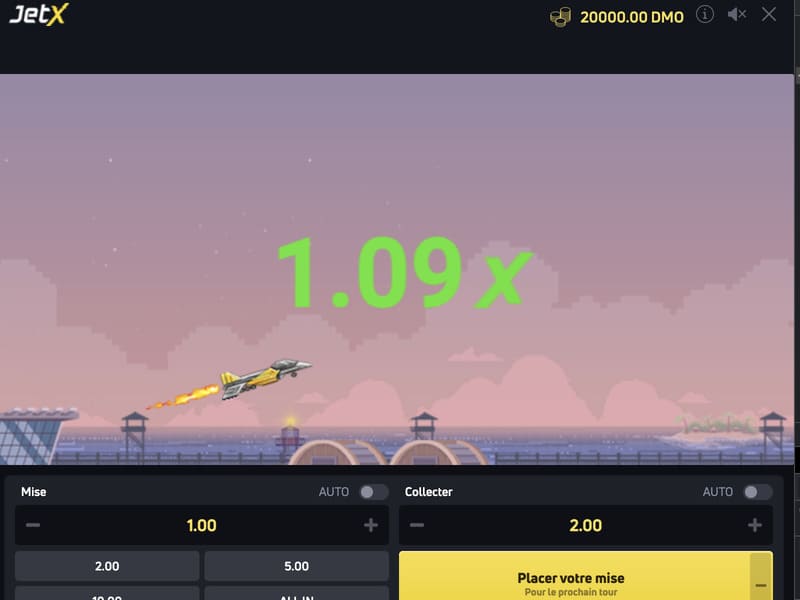
JetX is an online game in which you bet on a multiplier. A rocket ship graphic takes off, and the multiplier increases higher as it goes. Your job is to cash out your bet before the rocket crashes. If you cash out in time, you win your bet multiplied by the number on screen. If the rocket crashes first, you give up the money you put in. The entire game hangs on that tension between wanting more and knowing when to stop. It’s a basic risk-reward setup you’ll see in many places.
Underneath the graphics, a random number generator sets when each rocket will crash. Every round is a separate, unpredictable event. The climbing multiplier displays you the rising risk, but it doesn’t offer you clues about what comes next. Realizing that each flight is a random, isolated incident is your first big lesson in probability. It shows how games built on independent trials work.
No skill can predict the exact crash point. Your choice to cash out is a instinctive decision, based on how much risk you can tolerate in that moment, not on any pattern you’ve discovered. This makes JetX a pure game of chance. Learning to tell the difference between games of skill and games of chance is a core part of digital literacy for anyone navigating online.
The Math of Odds and Average Outcome
Titles like JetX are based on a mathematical concept known as expected value. Think of it as the mean outcome you’d receive per bet if you played thousands and thousands of times. In products run for profit, this expected value is always negative for the player. The operator’s built-in mathematical advantage is called the house edge.
For young people, understanding expected value demystifies the long run. You might win in one sitting. That takes place. But the math is clear: if you persist, you will lose money over time. This principle holds true for lottery plays, casino games, and crash games like JetX. It’s a effective way to assess whether placing a bet makes any economic sense.
The game also produces an impression with “near misses.” Collecting a split second before the crash feels like a brilliant escape. In terms of probability, it was merely one random result among millions of possible outcomes. Understanding that random events are independent combats a common cognitive bias. It stops you from thinking a near miss foretells a future win, which is just what the game’s design expects you’ll think.
Behavioral Principles Used in Game Design
JetX utilizes powerful psychological triggers to hold your attention. The rising multiplier generates anticipation. It operates on a variable reward schedule, the same system used in slots. This schedule is remarkably effective in making people repeat a behavior, since the next big reward could arrive at any time.
Bright graphics, sound effects, and the rocket theme convert betting into an activity that appears more like an interactive game than a financial risk. This may reduce your natural caution. For young people, identifying how a theme and aesthetics enhance engagement is a major part of media literacy.
Elements like a live chat or a display highlighting other players’ bets can generate a false sense of community https://aviacasino.games/jetx/. Seeing others win big could make you feel that winning comes easily and happens all the time. Knowing about these social proof tactics allows you to look past the social layer and recognize the financial risk layer clearly.
Spotting Risk and Protecting Well-being
The biggest risk with games like JetX is forfeiting money. The fast pace and instant results trigger impulsive choices. This often results in “chasing losses,” where someone makes riskier and riskier bets trying to win back what they lost. That pattern is a straight line to serious financial trouble.
The psychological effects are significant too. Focusing intensely on each outcome can raise stress and anxiety, and can even affect your sleep. For youth, whose brains are still developing the parts that manage impulse control and long-term thinking, these effects can be stronger and more damaging to overall health.
Protection begins with recognition. A practical step is to set strict limits on time and money spent, and treat those limits as rules you cannot break. Even better is discovering other forms of fun and achievement that give real rewards without the chance of losing money. This is key for balanced development and healthy digital habits.
Lawful and Age-based Restrictions: The Canadian Context
In Canada, gambling is regulated by each province and territory. Legal online gambling is usually offered by provincial authorities (for example, the OLG in Ontario) or by private operators with licenses in regulated markets. Many offshore sites that host games like JetX operate in a jurisdictional gray area for Canadian users. They often do not hold Canadian licenses.
The legal gambling age is either 18 or 19, based on the province. This minimum is grounded in assessments of maturity and legal responsibility. Any website that lets someone under the legal age participate is breaking Canadian rules and ethical standards. Young people should know these laws exist to protect consumers.
Employing unregulated platforms comes with extra risks. There might be no one verifying that the random number generator is fair, no clear way to solve disputes, and potential problems with data security. Good educational materials make this link clear: legality and safety are connected. Regulated environments offer safeguards that unregulated spaces do not.
Digital Literacy and Responsible Online Behavior
In this context digital literacy means understanding the commercial model. Games like JetX are created to be captivating so they can generate revenue for the company that manages them. Your entertainment is a lesser concern. Being able to thoughtfully ask “What is this product’s real purpose?” is a essential skill for the 21st century.
Responsible behavior is about conscious consumption. That means checking if a website is legitimate, reading its terms and conditions, understanding its privacy policy, and learning where to get help if something goes wrong. It also involves balancing online and offline life, and recognizing when casual play starts to feel compulsive.
Young people should feel they can speak openly about their online experiences, including games that include money or risk. Creating an setting where questions are accepted, without judgment, leads to better choices. Peer education is also effective, as young people often absorb information effectively from each other’s views and experiences.
Options to Casino-Themed Games
A healthy digital life includes a variety of activities. If you appreciate competition and measuring your skills, many esports and strategy games provide deep challenges free of financial stake. Games like chess, in-depth simulators, or multiplayer games challenge your planning, teamwork, and capacity to adapt. They give a deep sense of satisfaction.
If you enjoy the thrill of a random reward, many regular video games have loot boxes or random item drops under a fixed-cost model. These need a critical look too, but they limit your financial risk at the price of the game or item. It’s essential to grasp the difference between a one-time purchase and a betting system where you lose money again and again.
You can also step away from gaming for that excitement. Learning to code can assist you grasp the algorithms behind these games. Sports and outdoor activities provide real-world adrenaline. Creative hobbies like making music or art develop tangible skills and offer you a sense of accomplishment that stems from creating something, not from chance.
Resources for Support and Continued Education
A number of Canadian organizations offer valuable, non-judgmental resources. The Canadian Centre on Substance Use and Addiction publishes research on behavioral addictions, including gambling. International groups like GamCare make available resources useful for understanding problem gambling signs and strategies for change.
Provincial organizations, such as the Responsible Gambling Council in Ontario, run educational programs created for youth. School counselors and community health centers are also vital local contacts for any young person seeking for information or help for themselves or a friend. These resources center on prevention and awareness.
To discover about probability and statistics in a entertaining way, educational platforms like Khan Academy offer free courses. Understanding the math takes the mystery out of the games. For critical media literacy, you can turn to groups like MediaSmarts, a Canadian digital literacy charity aimed on helping youth navigate the online world securely.
Promoting Critical Discussion in the Home and in School
Open dialogue is the greatest educational tool available. Parents and educators can begin by inquiring about the online games that are popular, how they function, and what makes them enjoyable. This non-confrontational strategy builds rapport and makes it easier to discuss the risks and realities inside games like JetX.
In schools, these themes are suited to several subjects. Mathematics class can cover probability. Civics can look at regulation and its significance in society. Health education can link with mental wellness and judgment. Analyzing game design in a media studies course gives students the ability to dissect the convincing methods used by digital products.
The objective isn’t to frighten anyone. Its purpose is to foster informed skepticism and introspection. When young people possess the tools to examine probability, psychology, and business models, they are more capable to deal with all kinds of digital entertainment in a responsible manner. This insight supports wise decision-making for life in a complicated digital world.