The UK online gaming scene keeps changing, but a classic like Eye of Horus hasn’t simply persisted on nostalgia. Its ongoing popularity depends on a clear, actionable plan for its development. We can observe the future of this iconic slot isn’t being left to luck. Instead, a transparent schedule of updates and improvements is actively defining it. This kind of strategic planning is essential. It maintains player engagement in a competitive market where flashy new titles often displace older games. By looking at public information, developer comments, and past updates, a coherent picture emerges of what’s next for players and operators. This article will break down the current status of Eye of Horus, evaluate what its recent changes mean, and forecast its path within the UK’s regulated environment. The evidence suggests its future is guaranteed, thanks to deliberate innovation focused on players, not just a famous name.
Examining the Present State of Eye of Horus in the UK Market
Eye of Horus is a pillar of the UK online casino library. It gained this spot by blending straightforward gameplay with a compelling Ancient Egyptian motif. Its standing isn’t just about legacy. Current data shows it continues as a steady favourite for UK players, regularly appearing on ‘most played’ lists at major casino platforms. Several factors explain this sustained power. The game’s medium volatility offers a even experience that suits a wide group. Its systems, like expanding symbols and free spins, are straightforward to grasp but still entertaining. The graphics have a traditional clarity and charm that never aged poorly. Just as significant, the slot conforms fully with the UK Gambling Commission’s stringent rules on RTP transparency, stake limits, and responsible gambling tools. This conformity ensures its continued presence on UK platforms. This robust foundation is the necessary platform for all future efforts. It shows the game’s core formula still holds real value in the market.
Even with this firm footing, the slot functions in a changing ecosystem. A constant stream of new games appears, offering intricate bonus rounds, ‘Megaways’ mechanics, and immersive stories. This is the continual challenge. For Eye of Horus to sustain and grow its player base, staying static isn’t an alternative. The developers have displayed they know this through gradual but significant updates. They sidestep major overhauls that might disrupt the existing fanbase, selecting instead for calculated refinements. One instance is the focus on flawless mobile gameplay across all modern devices, which is now a fundamental expectation. The game’s performance on various UK platforms gets consistent improvement, a sign of active maintenance. This careful management of the live product is the initial, most apparent part of the development process. It reflects a commitment to quality today, while work on tomorrow’s progress happens behind the scenes.
Latest Changes and Their Strategic Consequences
A review of the new update history for Eye of Horus shows a series of strategic enhancement, not haphazard tinkering. One important move has been the rollout of promotional tie-ins and time-limited bonus events linked to the main game. These aren’t just marketing fluff. They are designed to integrate directly with the gameplay, giving players novel objectives and periods of heightened engagement. These promotions fulfill a double purpose. They engage players, but they also function as live tests. The development team obtains valuable data on how players react to adjusted mechanics and reward structures. This method allows for A/B testing of possible features in the real world, without irrevocably changing the basic game players know. Information on player involvement, session length, and direct feedback from these events directly shapes the development priorities for the ongoing development roadmap.
Another critical update area is backend compliance and integration. The UK regulatory landscape is always evolving, with continual debates about stake limits, game design, and affordability checks. This Eye of Horus development pipeline must commit substantial resources here. The goal is to ensure the slot meets today’s standards and is engineered to adapt quickly to tomorrow’s rules. This work might involve refining time-out functions, establishing smoother integration with national self-exclusion databases, or adjusting promotional language. These changes are less visible to players, but they are arguably the most essential for the game’s long-term survival in the UK. A popular slot that cannot adapt to regulatory shifts faces the risk of being delisted. The steady flow of these compliance updates sends a unambiguous message: maintaining the game operable in the UK is a key development priority.
Projected Elements and Gaming Development
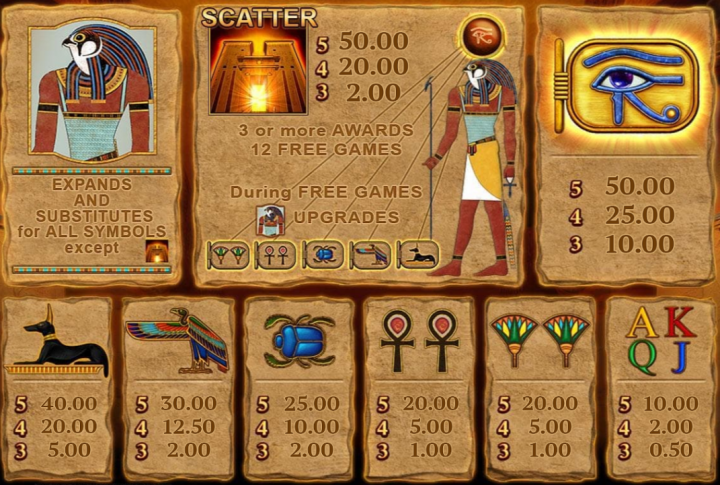
Following the trajectory determined by new developments and wider industry trends, one can anticipate multiple likely routes for Eye of Horus. A straight follow-up or a ‘Megaways’ adaptation seems highly probable. This would utilize the brand’s solid reputation while offering the mathematical complexity and substantial payout chance a segment of the market desires. Such a launch would presumably maintain the iconic scarab, eye, and ankh symbols, along with the familiar goddess narration. But it would place them within a variable reel layout that changes every spin. This would be a substantial and natural progression for the franchise. It would draw current players looking for a new challenge and fresh participants drawn by a tested theme wrapped in modern mechanics. The development process is the vehicle for this expansion, directing the concept through thorough mathematical modelling, UKGC compliance testing, and final optimisation.
Aside from entirely new game variants, the base slot itself might see enriched features. The current free spins round, a popular feature, could be extended. Optional boosters or a progressive multiplier level could add a level of strategy. A ‘buy bonus’ feature, meticulously set up within the UK’s incoming stake limit rules, is another plausible addition. Light narrative elements or achievement-based unlockables could also increase involvement without overcomplicating the base game. These kinds of additions would go through thorough testing in the development pipeline. The emphasis would remain on keeping the game’s celebrated balance. The objective is improvement, not a total transformation. The essence of Eye of Horus must stay unchanged even as its toolkit develops.
Sector Placement and Rival Evolution
The future of Eye of Horus in the UK depends on its adaptation to rival games. Its key strength is immediate recognition and credibility. It’s a known quantity in a market flooded with new, untested ideas. The development strategy appears to leverage this by presenting the slot as a dependable ‘anchor’ title in casino lobbies. It’s the beloved classic that players revisit between playing newer games. This positioning is backed up by flawless technical performance, relevant promotional offers, and an active community engagement. The pipeline undoubtedly contains frequent market comparison. The developers measure Eye of Horus against other classic slots and new entrants, noting where feature disparities emerge or where gambler preferences evolve.
Adaptation also means considering novel distribution avenues. Integration into emerging formats is a strategic consideration. These include social casino apps or free-to-play experiences that serve as pathways to real-money gambling. A progressive development roadmap would entail experimenting with these formats. In the same way, as VR and advanced live-streamed play gain traction, Eye of Horus’s robust aesthetic and theme make it suitable for adaptation. The key point is this: the roadmap isn’t solely focused on the upcoming quarterly release. It is structured to assess and, where it makes sense, integrate longer-term technological trends. This strategy keeps the brand relevant amid various prospective developments in the UK gaming industry.
Compliance with Regulations as a Driver of Development
In the UK, regulatory compliance isn’t a box-ticking exercise. It’s a key driver of game development. The Eye of Horus development pipeline has to be adaptable enough to address regulatory shifts. Current focus areas cover the rollout of stricter affordability checks, potential new limits on bonus mechanics, and rules for clearer display of financial risk indicators. Each of these areas requires a clear technical and design reaction from the developers. For instance, designing intuitive interfaces that show session loss and time played more effectively may become mandatory. That would be a substantive update flowing straight from the compliance side of the pipeline.
Furthermore, the debate around ‘loss chasing’ features and bonus buy-ins directly influences game design. Any future features developed for Eye of Horus will need to pass strict reviews. They need to align with the UKGC’s goals of preventing player harm. This regulatory environment is demanding, but it can also push innovation in responsible game design. The pipeline might explore features that encourage healthier play. Think customizable loss limits built directly into the game interface, or ‘achievement’ systems that reward extended play without requiring more bets. By treating regulatory adaptation as a driver for player-centric innovation, not just a constraint, the development pipeline can go beyond helping Eye of Horus survive. It can position the game as a frontrunner in ethical design within the UK market.
Sustained Brand Strategy and Player Retention
The ultimate goal of a structured development pipeline is to secure the long-term health of the Eye of Horus brand. This goes beyond a single slot game to building a loyal player community. Future developments will probably include more active community outreach. This could utilize player data (within privacy rules) to tailor experiences or offer tailored rewards. The brand might diversify into merchandise or crossover promotions, allowing players engage with the game’s iconic symbols off-screen. The development pipeline for the game itself powers this broader strategy. Every new feature, sequel, or visual update is a interaction. It reinforces the brand’s presence and shows a continued commitment to its audience.
Retention is driven by consistent, valued communication. A transparent pipeline allows operators and players see evolution coming. This fosters a sense of investment in the game’s journey. Teasers for upcoming features, developer blogs explaining the thinking behind changes, responsive feedback loops where player suggestions are heard and sometimes implemented all these activities spring from a structured, forward-looking plan. In a market where players have endless choices, the assurance that a favourite game is actively nurtured and evolved with care is a powerful retention tool. Through its visible and committed pipeline, Eye of Horus is building that assurance. It is changing from a static product into a dynamic, evolving entertainment experience with a clear and promising future in the UK.
The future of the eye of horus slot in the UK isn’t a secret. It’s being planned through a transparent and responsive development pipeline. The strategy encompasses many bases. It safeguards the game’s current performance and regulatory standing. It tests new features and explores new formats. It reconciles respect for the game’s classic appeal with a practical drive for innovation. This maintains it competitive in a sea of new releases. This deliberate, player-focused approach to evolution, grounded in rigorous compliance, positions Eye of Horus not as a museum piece, but as a resilient and adaptable mainstay of the UK online gaming landscape for the foreseeable future.